







Search Results for: Ethiopian native species
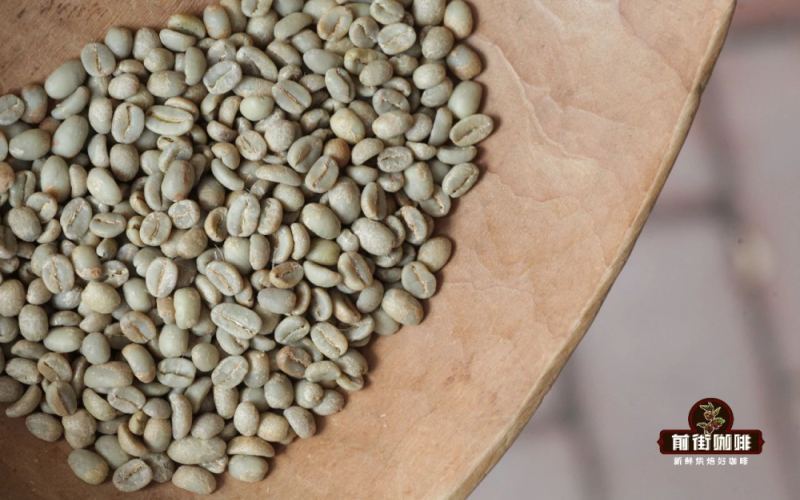
Ethiopian Heirloom Coffee Beans Explained: Differences from Landrace Varieties and Grading Standards
Ethiopia, as the birthplace of coffee, boasts an astonishing variety of cultivars, with nearly 2,000 varieties recorded to date, of which 1,927 are native varieties. Ethiopian coffee beans commonly found on the market are mostly labeled as Heirloom native varieties, but in recent years Landrace local varieties and numbered varieties have gradually gained popularity. In this article, Front Street Coffee will systematically sort out the definition, classification, and identification challenges of Heirloom native varieties, analyze the origins of Landrace and numbered varieties, and introduce in detail Ethiopia's coffee bean grading standards. Finally, it recommends a number of Front Street selected Ethiopian native varieties, covering well-known products such as Gedeb, Red Cherry, Woka, Aricha, and Huakui 5.0, with roasting and brewing data shared as well. [more…]

An Analysis of Ethiopian Heirloom and Landrace Coffee Varieties: Native Species Characteristics and the Evolution of Their Naming
When you look at the origin information on a bag of Ethiopian coffee beans, the variety field often says "Heirloom." What exactly does this mean? It is actually a collective term for Ethiopia's local heritage varieties, and it is estimated that there are tens of thousands of native coffees in the region that have not yet been formally identified. This article will systematically sort out the differences between Heirloom and Landrace, from the meaning of the terms, classification, and flavor expression to naming trends, and also introduce the meaning of the numbering of JARC-bred varieties. The article also combines several beans from Front Street Coffee to explain the reasons why Ethiopian beans vary in size and why their flavors change from year to year, helping you gain a more comprehensive understanding of the variety diversity of this birthplace of coffee. [more…]
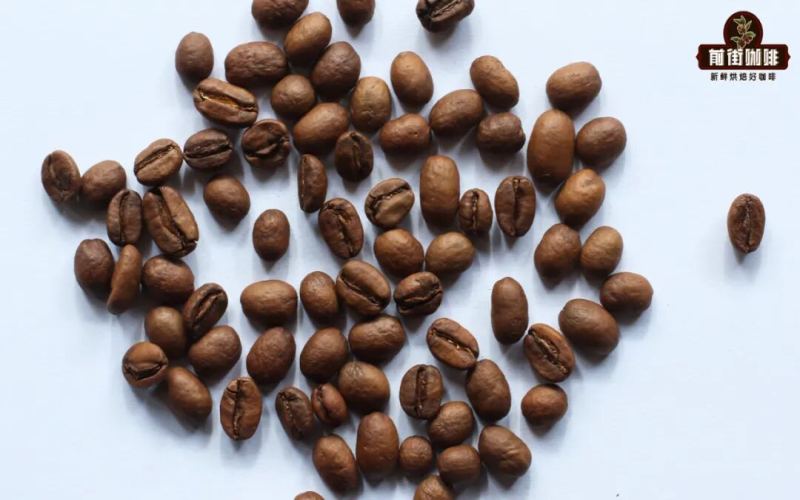
Ethiopian Coffee Beans | Why Do Ethiopian Coffee Beans Vary So Much in Appearance? What Coffee Variety Is the Ethiopian Heirloom Native Species?
"Boss, why are the beans in this bag so uneven in size? Every bean looks so unique..." This is the question customers ask our customer service most often after receiving Ethiopian coffee beans ordered from Front Street's Taobao store. From the picture, we can see that, just as our friends have reported, [more…]

A Detailed Guide to Ethiopian Coffee Varieties: What Exactly Does Heirloom Native Species Mean?
When buying Ethiopian single-origin coffee, the "Heirloom" commonly seen on packaging often leaves people puzzled. It is not a specific variety, but a collective term for the vast number of native Arabica varieties in the region. As the birthplace of coffee, Ethiopia has thousands of natural variants, and many producing areas even grow dozens of varieties mixed together, making it impossible to classify them one by one. This article will take you through Front Street's perspective to understand the true meaning of Heirloom, its relationship with flavor, and the stories of specific varieties such as JARC numbered varieties, Geisha 1931, Gori Geisha, and Wush Wush. [more…]
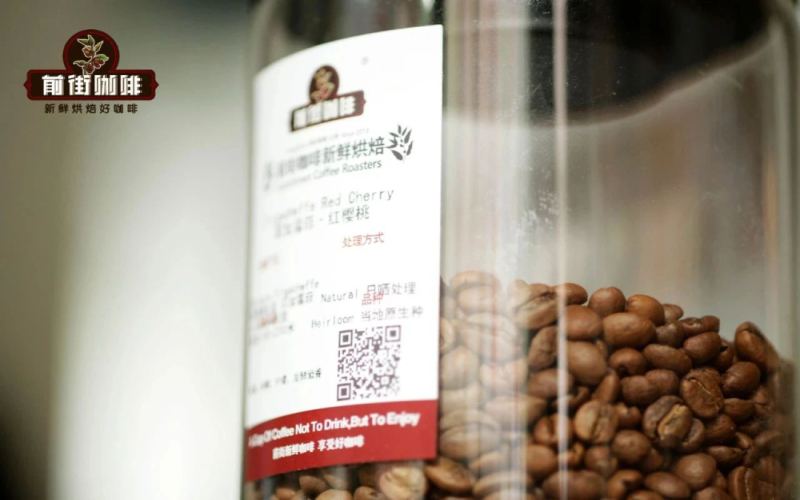
Landrace and Heirloom in Ethiopian Coffee Beans: What Exactly Is the Difference Between Native Species and Local Varieties?
When purchasing Ethiopian coffee, the terms "native species" or "heirloom" commonly seen on packaging are already familiar to many, but in the past two to three years, a new term, "landrace," has also begun to appear frequently. What exactly is the difference and connection between the two? This article, from the perspective of Front Street, sorts out the essence of heirloom mixed harvesting, the logic behind the formation of landrace local varieties, and, using the specific case of Front Street Kafa Forest coffee beans, explains the regional story behind variety labeling. At the same time, it will also clarify a common misconception: Kafa Forest and Panama Geisha are completely different things; the former emphasizes the terroir of the origin, rather than a specific variety. [more…]
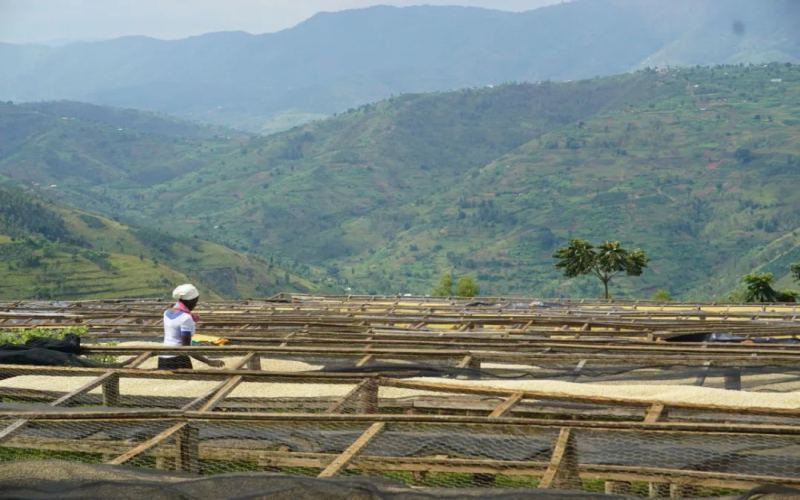
Ethiopian Heirloom and Yirgacheffe: Variety Traceability, Origin Terroir, and Front Street Coffee's Washed Bean Brewing Guide
Yirgacheffe, as one of Ethiopia's most representative specialty coffee regions, has always been a core topic of interest for coffee enthusiasts regarding its varietal classification, terroir conditions, and processing methods. This article begins with the varieties of Front Street Ethiopian Yirgacheffe, analyzing the naming origins and cupping performance of Heirloom native species, outlining the altitude and climate characteristics of the small town of Yirgacheffe, reviewing the historical context of the region's separation from Sidamo, and explaining how the introduction of washed processing technology in 1972 shaped its signature flavors of fresh citrus and white florals. At the end, hand-brewing suggestions for Front Street washed Yirgacheffe everyday beans are provided, including dripper, water temperature, coffee dose, coffee-to-water ratio, grind size, and pulse pouring times, for beginners to refer to and practice. [more…]
What Exactly Do Ethiopian Coffee Heirloom Varieties Mean? Explaining the Meaning of Heirloom Coffee and Analyzing the Main Arabica Varieties
In the world of coffee, Ethiopian coffee is often labeled as "native species" or "heirloom" — but what exactly do these two terms mean? Starting from botanical classification, this article sorts out the differences among the three major cultivated species: Arabica, Robusta, and Liberica, and introduces one by one the origins and bean characteristics of common varieties such as Typica, Bourbon, Caturra, Geisha, and Pacamara, helping coffee enthusiasts understand the varietal lineage behind coffee beans. In this article, Front Street Coffee will also share knowledge to guide you in discovering the unique qualities of these varieties in terms of flavor and cultivation. [more…]
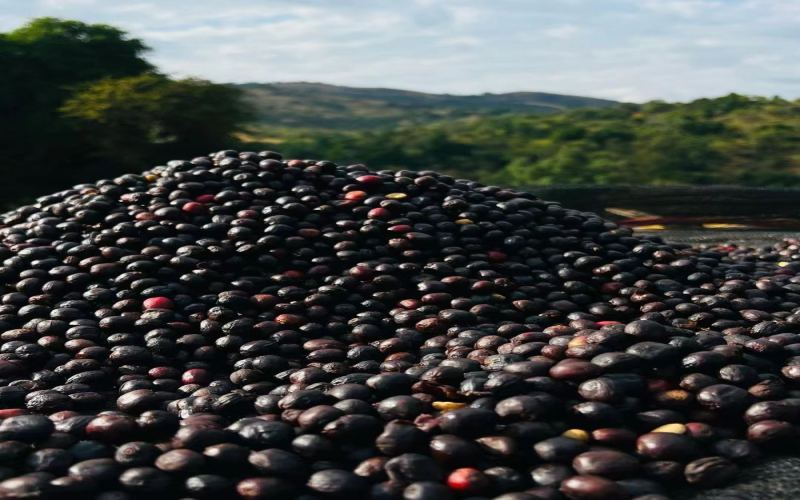
Ethiopian Coffee Variety Analysis: Characteristic Differences Between the Native Heirloom Variety and the Numerically Bred Varieties 74158, 74112, and 74110
Ethiopia, as coffee's genetic treasure trove, has a variety system far more complex than one might imagine. The Heirloom native variety label commonly seen on the market is actually a collective term for mixed-harvest varieties, not a single specific variety. The numeric codes such as 74110, 74112, and 74158 that have frequently appeared in recent years originate from JARC's disease-resistant breeding program in the 1970s. This article will systematically sort out the classification of Ethiopian coffee cultivation models, the essential meaning of Heirloom, the origin of the 74-series numeric varieties, and the identification and naming of Landrace local varieties, helping coffee enthusiasts understand the variety information on Ethiopian coffee bags. [more…]

Geisha Coffee Beans Actually Labeled as Brazilian Origin? A Breakdown of Region and Variety Errors in Packaging Information
Recently, a photo of a coffee bean packaging sparked heated discussion on WeChat Moments. It prominently labeled the origin of Huakui coffee beans as "Origin: Brazil (Guji Hambela)," leaving many industry professionals and enthusiasts stunned. This article begins with the historical naming and variety origins of Huakui, then dissects the packaging's errors regarding production region, tree species, altitude, scoring standards, and grind size. It clarifies that Huakui must come from the sun-dried Ethiopian native varieties processed at the Buku Abel processing plant in the Guji Hambela region of Ethiopia, and retains Front Street Coffee's observations and product information about Small-Bean Huakui. [more…]
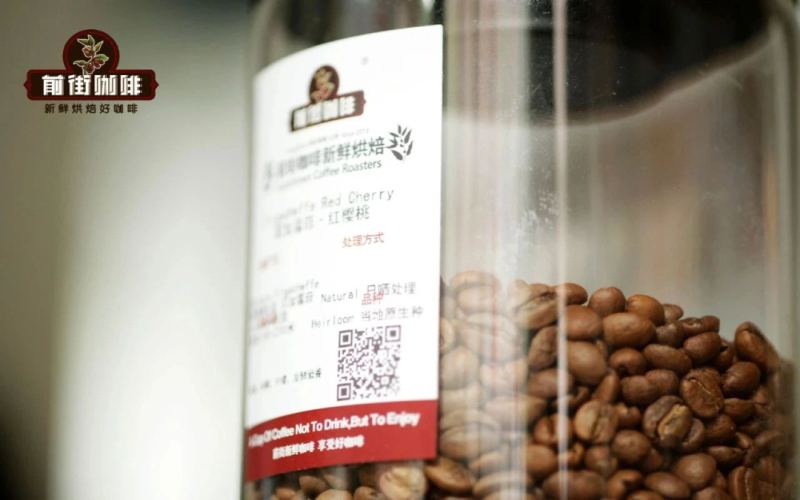
Heirloom and Landrace on Ethiopian Coffee Labels: How Exactly Do We Distinguish Native Varieties from Landraces?
Friends who frequently buy Ethiopian coffee beans are certainly familiar with the variety label "Heirloom," usually translated into Chinese as "native species" or "heirloom." But in the past two or three years, another term has quietly appeared on the packaging of some Ethiopian beans—"Landrace." What exactly is the relationship between it and Heirloom? Are they different names for the same thing, or two completely different concepts? In this article, Front Street will take a careful look at the origins and evolution of Landrace local varieties, starting from Ethiopia's garden planting system, sorting out the mixed-harvest nature of Heirloom, then moving on to JARC's work in identifying local varieties, and why more and more international green bean merchants have begun to purchase these varieties with distinctive regional characteristics separately. At the end, we also include information on the Kaffa Forest lot currently sold by Front Street for everyone's reference and comparison. [more…]
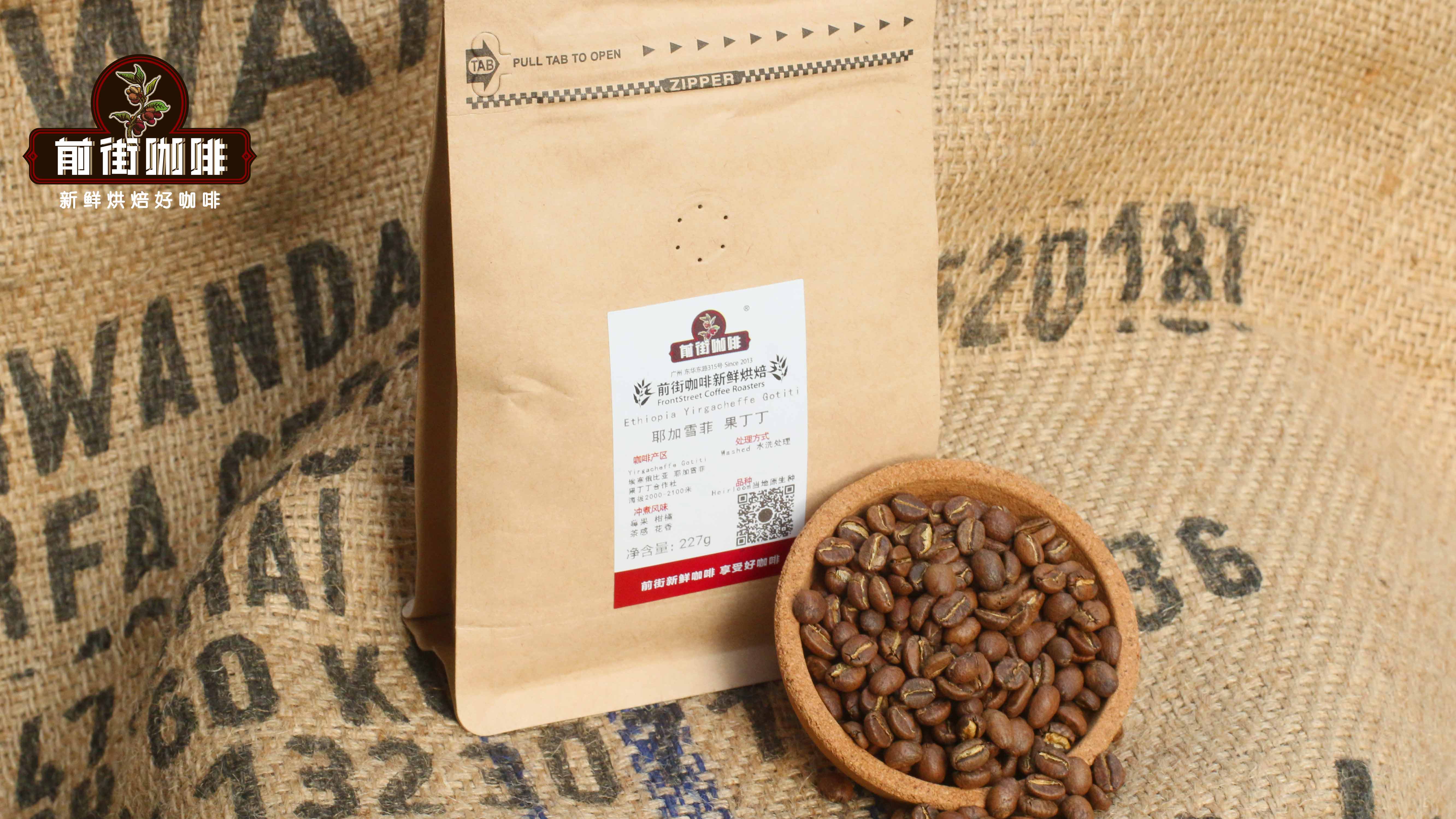
Ethiopian Coffee: A Comprehensive Analysis of Heirloom Varieties, Processing Methods, and Grading Systems
Ethiopia is a genetic treasure trove of coffee, where tens of thousands of heirloom varieties interweave with diverse processing methods to create an extraordinarily rich flavor spectrum. From Yirgacheffe to Sidamo, from washed to natural, the coffee of this East African highland is renowned worldwide for its citrus florals and bright acidity. Yet the uneven bean appearance of landrace varieties, the unique grading system, and the quality boost from the Red Cherry Project together form the distinctive character of Ethiopian coffee. Drawing on Front Street Coffee's shelving experience and cupping records, this article systematically reviews the varietal origins, regional characteristics, processing method differences, and green bean grading logic of Ethiopian coffee, helping coffee enthusiasts gain a deeper understanding of the appeal of this producing country. [more…]

Ethiopian Coffee Bean Label Guide: Differences Between Heirloom, Landrace, and Regional Varieties, and G1 Bean Recommendations
When selecting Ethiopian coffee, the variety labels on the packaging often leave people confused: Heirloom is translated as "native species" or "heirloom," and in recent years the term Landrace (local variety) has also appeared. What exactly do these names refer to? What is the relationship between them? This article will start from the garden farming model of Ethiopian coffee, clarify the concept of Heirloom as a mixed lot, explain how Landrace is selected, identified, and harvested separately from the field, and also recommend Front Street Coffee's Kaffa Forest G1 washed beans, as well as its difference from Panama Geisha. [more…]
Essential Reading for Coffee Bean Beginners: A Full Analysis of the Characteristics of the Three Major Native Species—Arabica, Robusta, and Liberica
Coffee, as an evergreen shrub of the genus Coffea in the family Rubiaceae, has a vast family, but only three native species—Arabica, Robusta, and Liberica—truly have commercial value. Arabica is renowned for its elegant flavor and aroma, yet it is delicate and susceptible to leaf rust; Robusta has strong disease resistance, intense flavor, and high caffeine content, and is mostly used for instant and industrial coffee; Liberica has excellent adaptability but slightly inferior flavor and circulates only in specific regions. Understanding the origins, characteristics, and market distribution of these three is the first step into the world of coffee. Front Street Coffee reminds you that only by starting from the bean variety can you better understand the flavor in your cup. [more…]
A Complete Flavor Analysis of Ethiopian Sidamo Natural Beans: From Terroir to the Cup at Shilcho Cooperative
Ethiopia, as the birthplace of coffee, still maintains a large number of wild coffee tree species for farmers to harvest. Despite long-term challenges such as poverty and drought, it remains firmly among the world's important leaders in coffee production and quality. This article will focus on the Sidamo region, sorting out the flavor differences brought by the two major processing methods, washed and natural, and deeply analyzing the diverse terroir causes behind Sidamo coffee, including volcanic soil, microclimates, and native species diversity. The article will also introduce a lot produced near the town of Dilla by the Shilcho cooperative, which is affiliated with the Sidama Coffee Farmers Cooperative Union and, after secondary screening, displays excellent flavor. Front Street Coffee will also combine the characteristics of the producing region to provide enthusiasts with purchasing and tasting references. [more…]
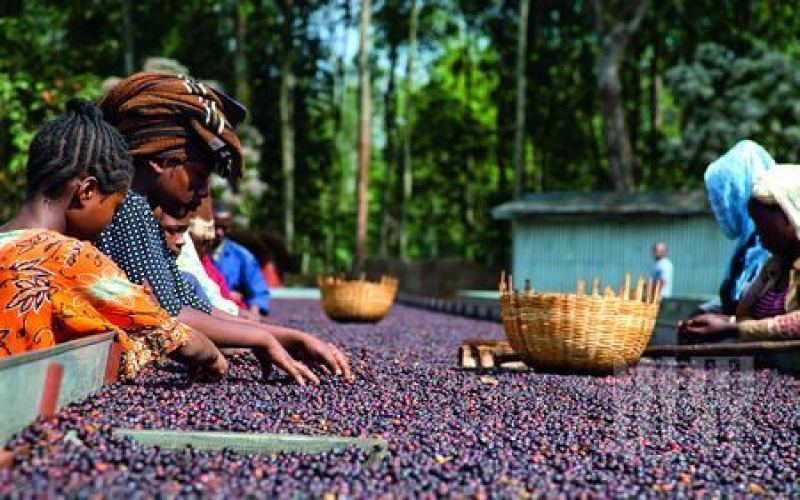
Ethiopian Yirgacheffe: A Comprehensive Analysis of Its Regional Origins, Flavor Grades, and Heirloom Varieties
Yirgacheffe is one of the most recognizable coffee regions in Ethiopia. Thanks to its unique terroir and meticulous washed processing, it presents a classic flavor profile interwoven with citrus, jasmine, and berries. Starting from Ethiopia's coffee cultivation system, this article traces how Yirgacheffe moved from being a sub-region of Sidamo to gaining independent trademark protection, explains the practical differences between the G1 and G2 grading systems, analyzes the variety logic behind Heirloom native species, and fully presents the brewing parameters and flavor performance of washed Yirgacheffe, giving you a comprehensive understanding of this benchmark work of African coffee. [more…]
Ethiopian Coffee History | Where Does Yirgacheffe Coffee Flavor Come From? Essential African Single-Origin Pour-Over Coffee Beans for Beginners
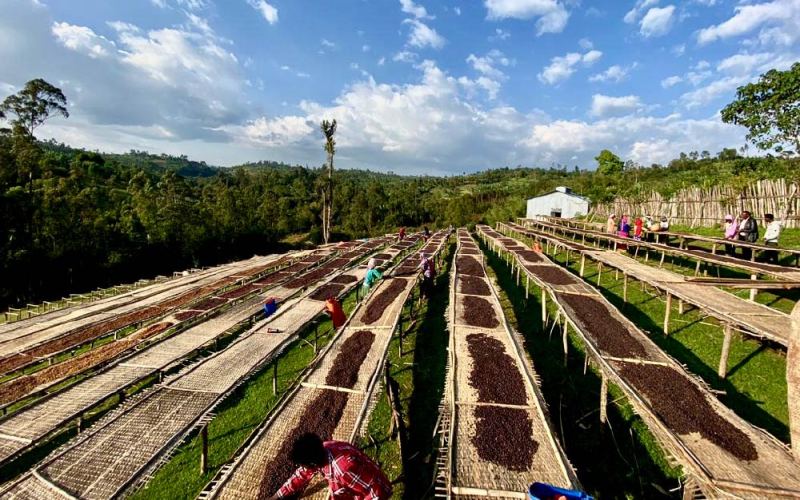
Yirgacheffe, as a coffee renowned on the African continent and throughout the entire coffee world, can be considered one of the synonyms for specialty coffee. First, let us teach you how to distinguish real Yirgacheffe from fake. We can judge from the following three points: 1. The flavor of Yirgacheffe. The so-called Yirgacheffe flavor is the unique lemon, white floral [more…]
What exactly is Ethiopian heirloom native coffee bean? A full analysis of variety naming and flavor origins
Ethiopia is celebrated as the birthplace of Arabica coffee, and its local coffee varieties are as numerous as the stars. However, due to limitations imposed by history, research conditions, and naming systems, the vast majority of these varieties still cannot be individually identified and named. As a result, a broad and romantic term—heirloom—has become synonymous with these native coffee varieties. Heirloom is not a specific variety, but rather a collective term for the large number of coffees in Ethiopia that have not been clearly classified. This article will guide you through the meaning of heirloom, why it is named this way, how local coffees are named, and the brewing and flavor performance of the Yirgacheffe natural red cherry as an example. [more…]

Ethiopian Sidamo Natural Hunkute Coffee Flavor Analysis: From Hambela Region to Front Street Brewing Recommendations
Ethiopia is the birthplace of Arabica coffee, and its specialty coffees are renowned for their bright floral and fruity character. The sun-dried Huakui coffee from the Sidama region, with its rich fruity sweetness and honey finish, has become a favorite among many coffee enthusiasts. This article will introduce, one by one, the origin of the name Huakui, the traceability information of the Hambela estate, the geographical and varietal characteristics of the Sidama region, Ethiopia's coffee grading system, and Front Street Coffee's sun-drying process and brewing parameters. It will also cover the evolution of the batch suffixes of Huakui, the essence of the Heirloom native variety, and Front Street's commitment to fresh roasting and brewing details, helping readers fully understand the flavor sources and tasting points of this coffee. [more…]
A Complete Analysis of the Ethiopian Coffee Bean Grading System and Flavor: Heirloom Varieties, the Red Cherry Project, and Front Street Recommendations
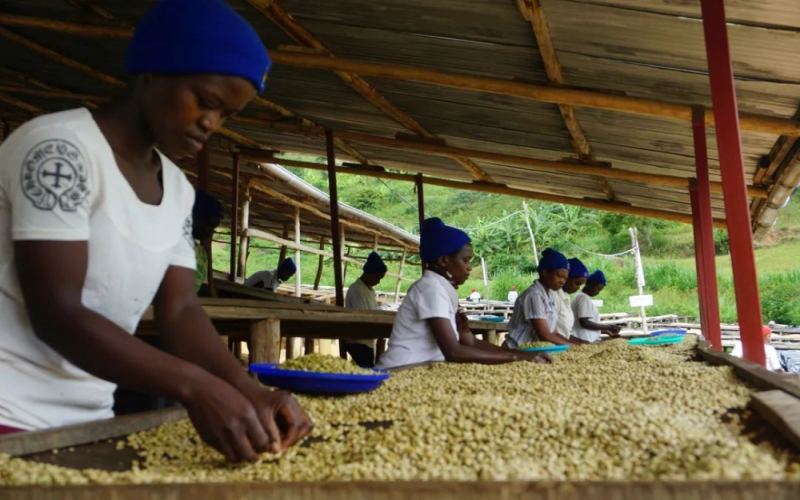
Ethiopia, as the birthplace of coffee, is home to tens of thousands of heirloom varieties, and its coffee is world-renowned for its citrus and floral notes and complex flavors. This article provides a detailed analysis of the Ethiopian coffee grading system, from the classification of washed and unwashed coffees to the G1 to G9 evaluation standards, and introduces how the Red Cherry Project improves coffee quality. At the same time, Front Street Coffee shares cupping experience from the Yirgacheffe and Sidamo regions, comparing the flavor differences between washed and natural beans, offering coffee enthusiasts comprehensive knowledge about Ethiopian coffee. [more…]
Exploring Ethiopia, the Birthplace of Coffee: A Full Analysis of Producing Regions, Native Varieties, and Natural and Washed Processing Methods
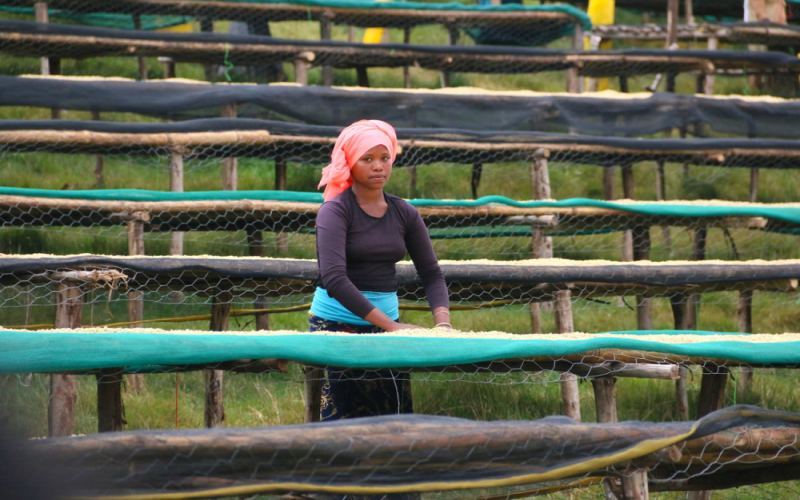
As the birthplace of coffee, Ethiopia is not only Africa's largest coffee producer, but also weaves coffee deeply into the daily life and rituals of its people. From Sidamo to Yirgacheffe, from nearly two thousand documented native varieties to the two major processing methods of washed and natural, this country has cultivated specialty coffees with distinctive character and pronounced floral and fruity aromas. The washed Yirgacheffe in Front Street Coffee's everyday beans series is a prime example of the typical flavors of the Yirgacheffe region. This article will guide you through a comprehensive understanding of Ethiopia's coffee industry, variety classification, processing method characteristics, and the flavor differences brought about by different processing methods, offering coffee enthusiasts complete origin knowledge and purchasing reference. [more…]